If You’ve Started Noticing Eye Floaters, This Explanation Is Quietly Gaining Attention
More people dealing with drifting shadows, dark specks, and unstable clarity are looking into a different explanation — especially when the usual answers stop making sense.
Watch this short explanation while it’s still available.
If dark spots, drifting shadows, or cobweb-like floaters have started showing up in your vision, you are not alone — and what many people are discovering may surprise you.
A surprising analysis linked to research groups connected to Oxford raised concern after more than 12,000 cases of worsening vision revealed a pattern specialists could not dismiss.
People were losing clarity. Developing dark spots. Struggling to read, focus, or drive.
But what stood out most was not just the symptom… it was what kept showing up inside the eyes.
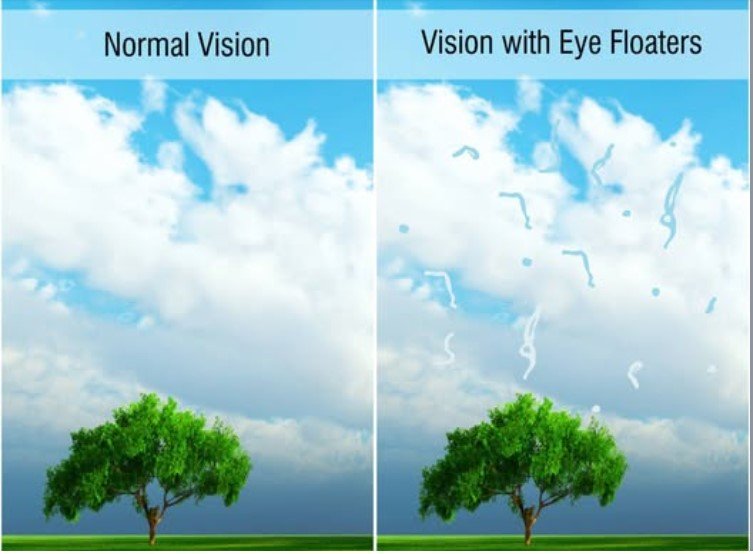 Editorial image used to reflect what many people describe when visual disturbance becomes harder to ignore.
Most people do not panic when floaters first appear. They adapt. They blink more. They shift their gaze. They tell themselves it is age.
But over time, what started as a minor distraction can begin to affect reading, focus, bright light, confidence, and the quiet trust people once had in their own vision.
That is exactly how it started for Jim.
At first, it was just a few small floaters. Then darker shapes. Then the growing feeling that something inside his vision was no longer behaving normally.
He did what most people do: ignored it… until he couldn’t anymore.
The question stops being “what is this?” and becomes: “Why is this getting worse… and what happens if I keep waiting?”
What People Are Actually Searching For — And What They’re Realizing
In the past few years, more people have started noticing the same pattern:
- small floaters that do not seem to go away
- shadows that move across the field of vision
- increasing difficulty focusing clearly in bright environments
- a growing sense that the symptom is becoming harder to dismiss
At first, many go looking for simple answers. But what they often find is that the usual explanations do not fully explain why the problem keeps pulling their attention back.
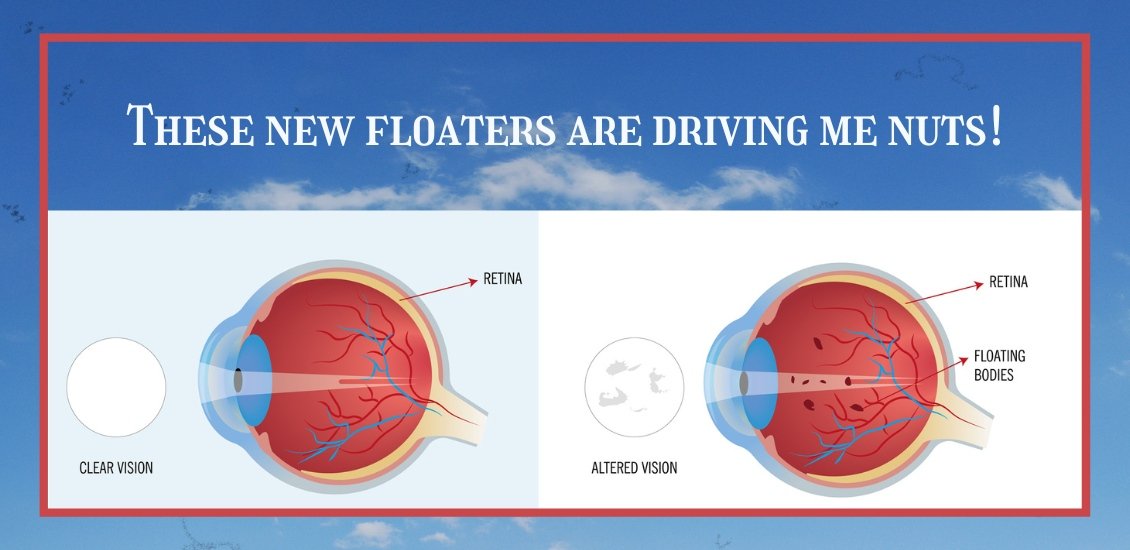
That is why more people are beginning to compare the paths they are usually given:
- ignore it
- monitor it
- learn to live with it
But none of those paths explain why floaters keep showing up… why they become harder to ignore… or why vision can start feeling less stable over time.
What Most People Get Wrong About It
The misunderstanding is not just about the symptom itself.
It is about treating the floater like the full story — when for many people, it may only be the visible part of a deeper pattern.
For years, many have been told to focus only on what they can see. But a growing number are now asking whether the visible symptom is only the surface of something else.
The Explanation That’s Resonating With People
The reason this idea is getting attention is not because it promises a miracle.
It is because it offers a different explanation.
According to what is presented in the short video, many cases of visual instability may begin when the normal internal flow that nourishes the eyes is no longer functioning the same way.
And when that happens, floaters, drifting shadows, blur, and unstable clarity may start appearing as one of the first visible signs.
That is where something unusual began getting attention — a simple explanation connected to what some now call the Red Root Trick.
Not because it “forces” vision… and not because it masks the symptom… but because it points to what may be interfering with visual stability in the first place.

What Happens When The Problem Is Ignored
Floaters rarely become emotionally heavy all at once.
More often, the pattern moves in stages:
A few drifting spots. Easy to rationalize. Easy to ignore.
You work around it. You adjust your eyes. You trust your vision a little less.
Reading, focus, screens, bright light, and confidence begin to feel more fragile.
Now it is no longer just a symptom. It is a constant reminder that something may be getting worse.
That is the point where most people wish they had paid attention sooner.
Why This Is Resonating With So Many People
As more attention started building around this explanation, tens of thousands began looking into it.
More than 62,000 people have already explored this approach — not because they wanted another generic answer, but because they wanted to understand what may actually be happening before things keep changing.
It is about seeing whether the symptom you have been trying to ignore may finally make sense in a way the usual explanations never fully did.