Before Your Vision Gets Worse: The Red Root Trick Behind Eye Floaters That’s Getting Attention Right Now
Eye floaters are not always as harmless as they seem. Findings linked to Oxford researchers helped fuel a growing conversation around what may actually be happening inside the eye when drifting shadows, specks, and dark shapes keep coming back.
Now, a little-known Red Root method is quietly getting attention for one reason:
it focuses on what may be driving floaters in the first place — not just how they look on the surface.
- Why floaters may be one of the first visible signs something deeper is changing

The Floaters Most People Are Told To Ignore
For many people, floaters do not stay the same. What starts as a faint speck can turn into something darker, more frequent, and far more distracting than expected.
SEE WHAT THIS MAY MEAN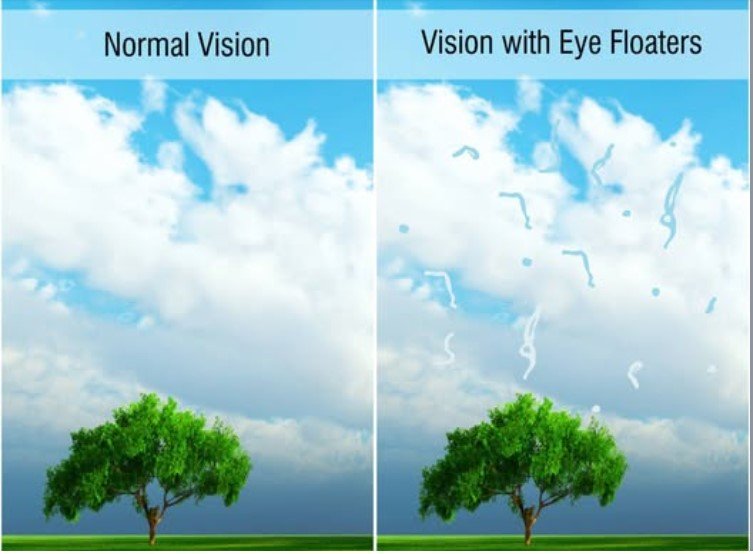
Most People Think Floaters Stay The Same… They Don’t
For many people, floaters do not simply appear and sit still. They evolve.
What begins as a tiny drifting speck can slowly become something much harder to ignore.
So What’s Really Behind These Floaters?
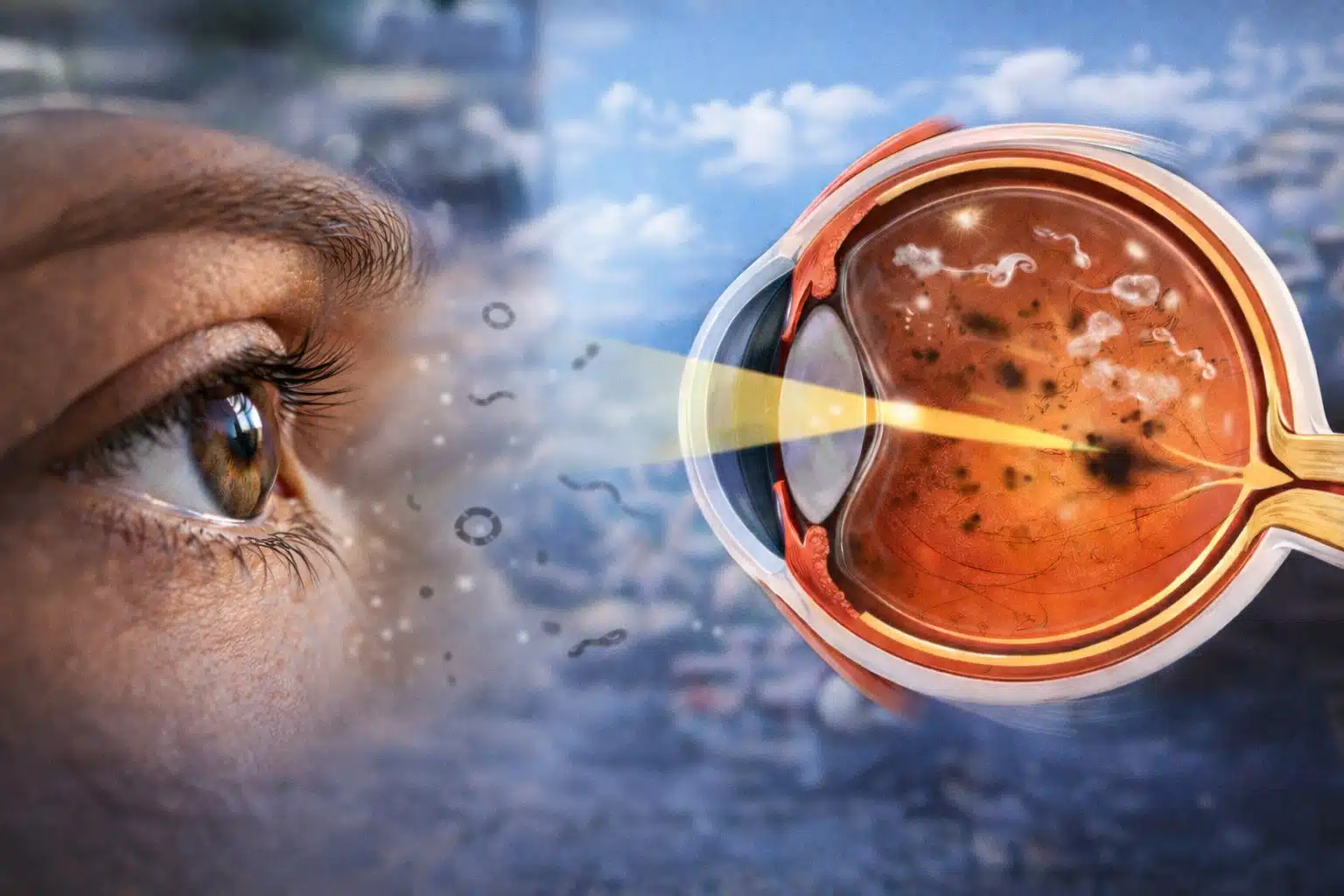
According to findings associated with Oxford researchers, the issue may have less to do with “just getting older” and more to do with what is happening inside the eye itself.
The idea is simple: when tiny blood vessels inside the eye become restricted, the eye may stop getting the oxygen and nutrients it depends on to stay clear, balanced, and stable.
And when that internal environment starts changing, floaters may be one of the first things people notice.
- Drifting shadows and specks
- Blurred or unstable focus
- Darker spots that become harder to ignore
- A gradual drop in day-to-day visual confidence
Why Is Everyone Suddenly Talking About “Red Root”?
Unlike surface-level approaches, the Red Root angle is getting attention because it is tied to what may be happening deeper inside the eye — where floaters are believed to begin.
That is what makes it so intriguing. It is not being discussed as a way to simply “cover up” floaters. It is being discussed because of how it may support the internal environment where floaters start forming in the first place.
- Supporting healthy circulation inside the eye
- Helping improve oxygen delivery where the eye needs it most
- Targeting the environment where drifting shadows may begin
That is why so many people are leaning in. Not because the name sounds exotic — but because the logic behind it feels different from what they have heard before.
Why Some People Refuse To “Just Live With” Floaters
Waiting is the default advice a lot of people hear. Watch them. Monitor them. Try to ignore them.
But more people are now questioning that approach — especially after Oxford-linked findings and circulation-based explanations gave the floaters discussion a lot more credibility than it used to have.

This Isn’t About Surface-Level Relief
Most floaters conversations stop at what you see.
This one goes a step deeper — into what may be changing inside the eye long before most people connect the dots.
And because the discussion is often tied to Oxford-linked researcher findings, it carries far more authority than a random internet trend or generic eye-health tip.
- Not just waiting for floaters to settle down
- Not just pretending they are harmless forever
- Not just chasing temporary distractions
- But asking what may actually be driving them
Questions People Ask Before Watching
Most People Wait… Until It Gets Worse
Floaters do not always go away on their own.
Some people ignore them for months. Others keep hoping they will settle down. But more and more people are now taking a closer look at what may be driving them — especially after Oxford-linked findings and the growing curiosity around this Red Root method.
WATCH THE METHOD PEOPLE ARE USING BEFORE FLOATERS GET WORSE